12/17/2025

SHAPING EUROPE’S DIGITAL IDENTITY

In the interview: Arne Petersen and Christian Zöllner on the special collaboration between SPRIND and the Burg Giebichenstein University of Art and Design

How is our identity changing in a world that is increasingly shaped by artificial intelligence? And what role does design play when it comes to rebalancing trust, technology, and societal responsibility?

Within the scope of a special collaboration, the Federal Agency for Breakthrough Innovation (SPRIND) and students from the Burg Giebichenstein University of Art and Design Halle explore how digital identity can be shaped in the future.

In the interview, Arne Petersen, Head of Design in the EUDI Wallet project of SPRIND, and Professor Christian Zöllner, Professor of Industrial Design and Digital Contexts, discuss why the EUDI Wallet is far more than an app, why speculative design will serve as an important means for finding our way in the coming decades, and how radical collaboration can help shape Europe’s digital future in a responsible manner.

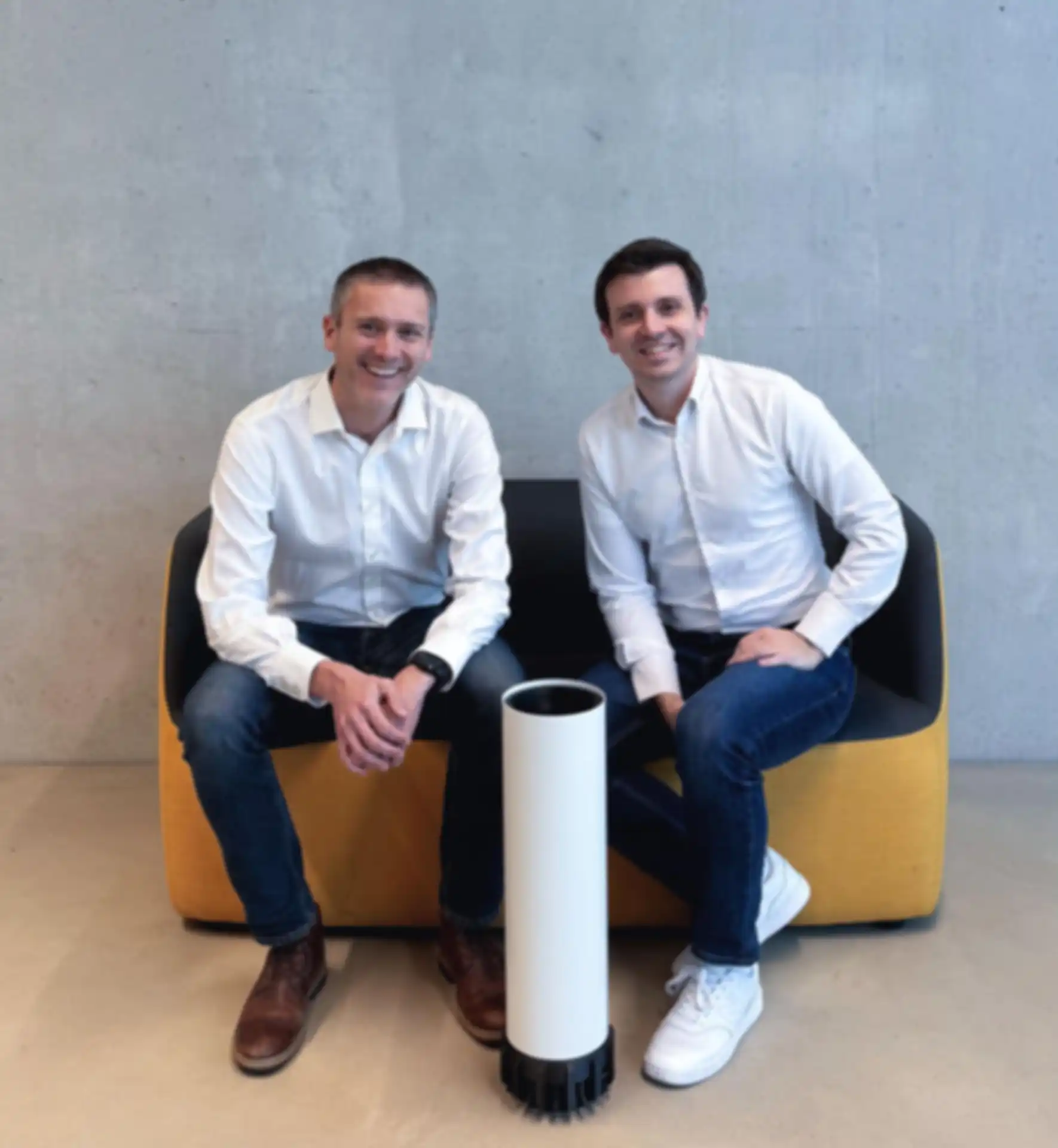
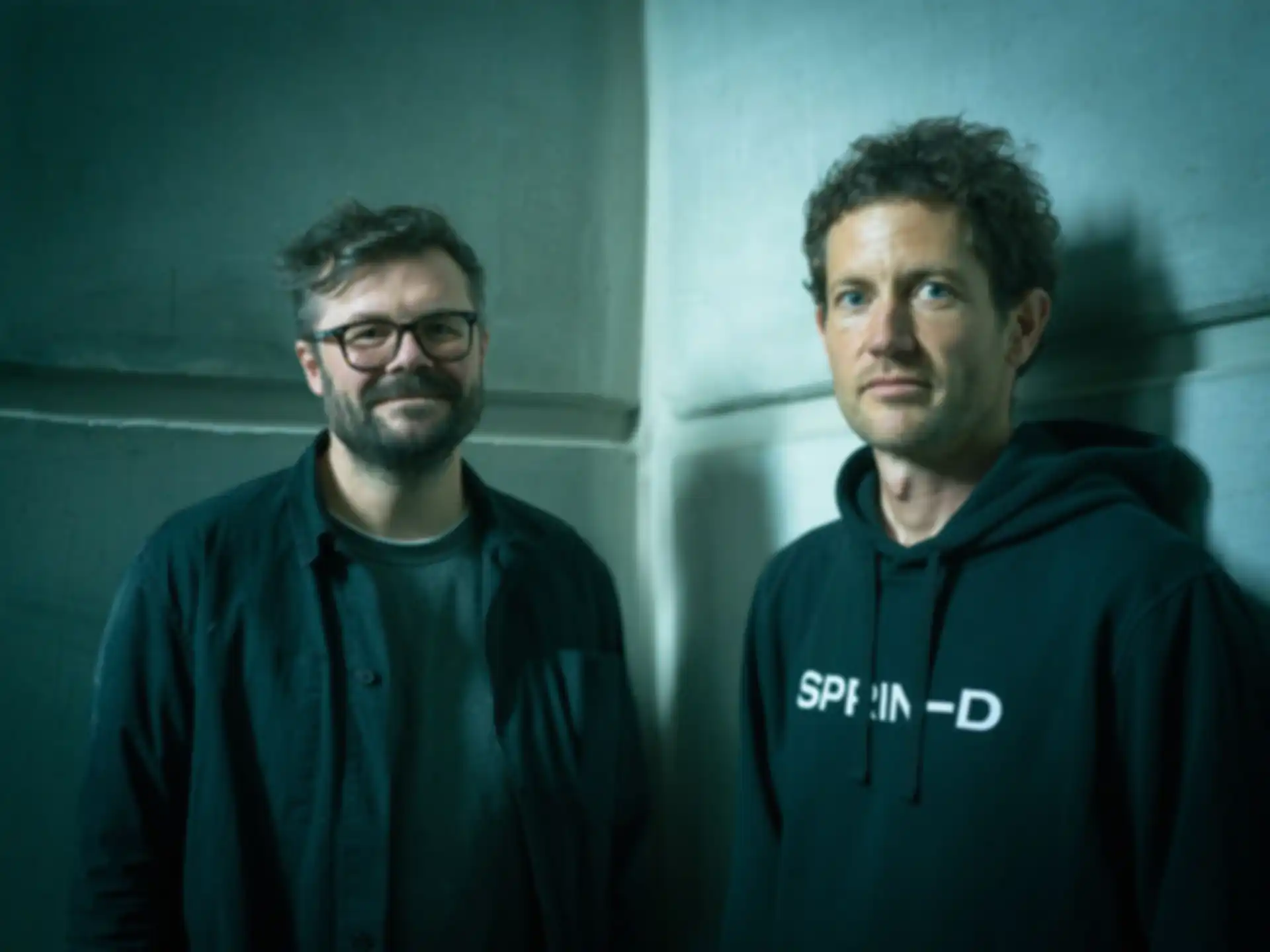
Christian Zöllner (l.) and Arne Petersen
Christian Zöllner (Burg Giebichenstein, l.) and Arne Petersen (SPRIND)

THE EUDI WALLET IS INTENDED TO BECOME A TRUSTED PLATFORM FOR DIGITAL IDENTITY OVER THE LONG TERM. WHY IS CONSIDERING FUTURE TECHNOLOGIES WORTHWHILE IN TODAY’S WORLD?

Arne Petersen: We live in a time of rapidly evolving technologies. When developing a product like the EUDI Wallet today, we must ensure that it continues to stay relevant ten or even 20 more years. This means we cannot think of the wallet merely as an app but as the foundation of a new digital infrastructure. Our goal is to enable citizens to take back control over their data. Nowadays, data is the raw material powering major tech platforms — we provide it, and others profit from it. With the EUDI Wallet, we want to reverse this very principle. The wallet represents a European approach based on transparency, openness and self-determination.

Christian Zöllner: Long-term perspectives emerge not only by imagining the next five or ten years but by considering what the world might be like in 30 years. During the design process, we use the backcasting method: we create a vision of the future and then think about what steps led to that outcome. The goal is to solve current problems while also anticipating future possibilities. Identity is profoundly human, and trust has always been the foundation of social cohesion. That’s why it is crucial to determine now how we can secure trust and identity in the digital age. The EUDI Wallet can be a tool that preserves people’s agency even in a world shaped by AI.

HOW DO THE STUDENTS’ SPECULATIVE SCENARIOS HELP TO IDENTIFY CHALLENGES SUCH AS DEEPFAKES OR SYNTHETIC IDENTITIES AT AN EARLY STAGE?

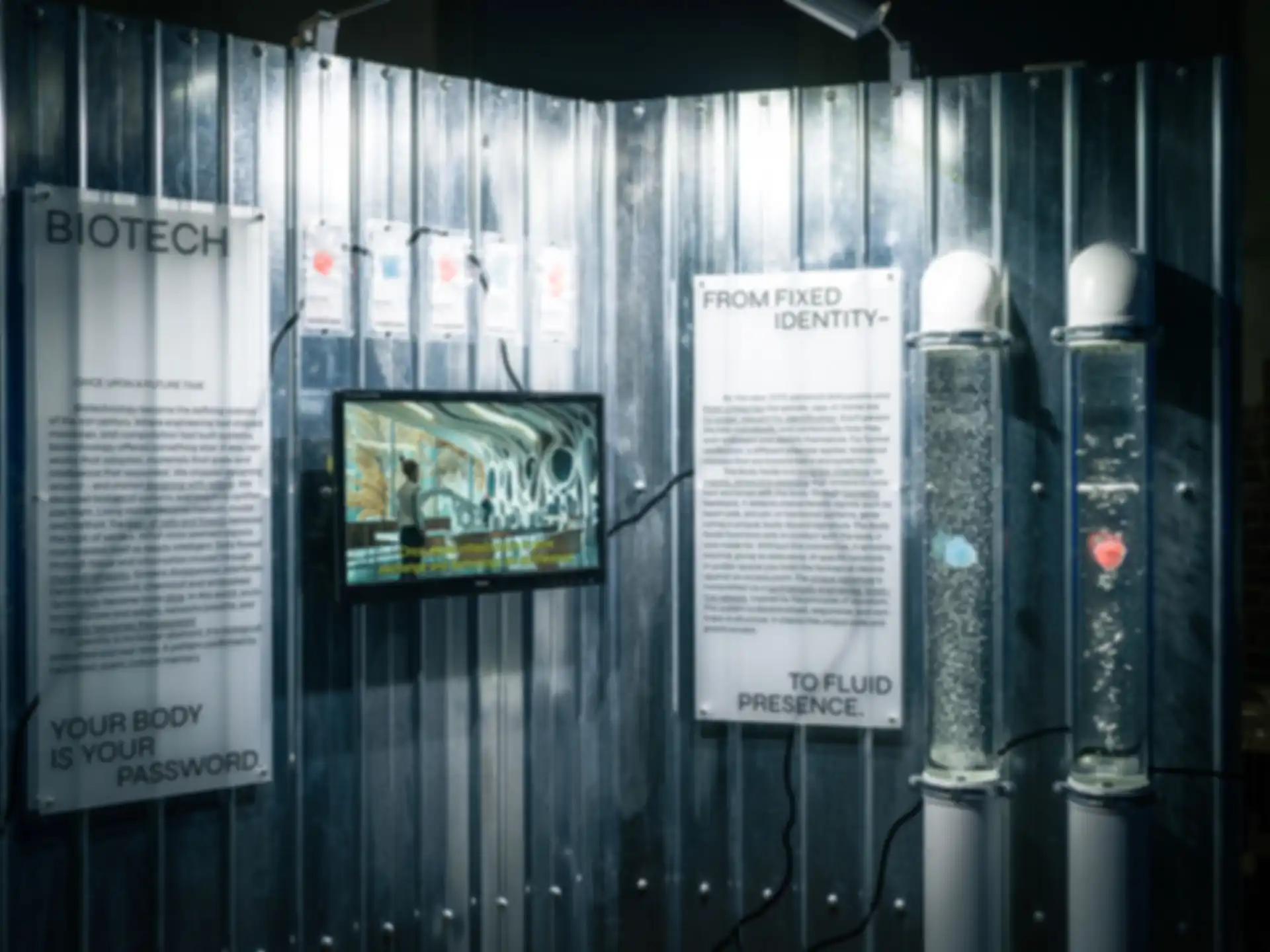
CZ: Speculative design allows us to imagine the future without having to technically prove the existence of that future straight away. The students developed three scenarios: an almost technology-free world, a radically high-tech society, and a bio-tech world in which technology is organically embedded into human cells. These scenarios create space for reflection and discussion. Instead of functional products, they result in discursive prototypes — objects that tell stories and spark debates. They help make complex developments more tangible. Design can visualize questions that would otherwise remain abstract.

EUDI Wallet Prototypes

MANY INNOVATIONS FAIL BECAUSE TECHNOLOGY AND SOCIETY ARE CONSIDERED TOGETHER TOO LATE IN THE PROCESS. WHAT DOES THIS COLLABORATION TEACH US?

AP: Design is often reduced to aesthetics. However, it has to do just as much with responsibility, context, and attitude. Particularly in the case of the Wallet, it’s essential for us to connect technological innovation and societal relevance from the very beginning on. The collaboration enables a shift in perspective. The university provides the freedom to think boldly and unconventionally. We provide the knowledge of how to implement ideas. This combination shows that innovation is always a cultural task as well. The students’ concepts link technological developments with mega topics, like the climate crisis, trust, and social cohesion — perspectives that occasionally get sidelined in the fast-paced project work on a day-to-day basis.

WHAT DO STUDENTS AND FACULTY GAIN FROM WORKING WITH SPRIND?

CZ: As an art school, we use artistic methods to shape societal questions. That is why collaborating with a technological partner is particularly enticing. It offers the opportunity to test and further develop ideas in practice. We didn’t want to simply design an app — we wanted to examine the topic of digital identity on a wholistic level, taking social, cultural, and technological perspectives into account The collaboration demonstrates how fruitful it is when design and technology, and science and practice are treated as equal elements.

HOW CAN WE ENSURE THAT THE STUDENTS’ CONCEPTS DON’T END UP IN THE ARCHIVE?

CZ: The students created installations showing how identity could be experienced in the future — for example, through biotechnological symbionts that store data on the skin, or through tactile wooden objects carrying individual identity patterns. These works are thought-provoking impulses. They pose questions and open discussions without aiming to deliver final solutions. Yet they inspire and show what becomes possible when design and technology are considered together.

AP: For us, the project was an experimental space. It wasn’t about developing a product immediately but about gaining insights. The results feed into our conceptual work and help us anticipate technological developments early on — from AI to interaction models beyond smartphones to new societal needs.

EUDI Wallet Prototypes

COLLABORATIONS BETWEEN ART UNIVERSITIES AND INNOVATION ORGANIZATIONS ARE STILL RARE IN GERMANY. WHAT OPPORTUNITIES DO THEY OFFER, AND WHAT IS NEEDED TO ESTABLISH SUCH FORMATS?

CZ: No institution can tackle the major transformations of our time alone. Universities are spaces of free experimentation, independent of markets and shaped by curiosity. Young designers think boldly and unconventionally. When their creative energy intersects with the technological depth of innovation institutions like SPRIND, something new emerges: design becomes a bridge between research, technology, and everyday life. For this, we need reliable structures and the courage to collaborate early and with openness to unexpected outcomes.

AP: I firmly believe in radical collaboration. If more institutions worked this way, entirely new forms of innovation could emerge. SPRIND’s own approach already shows that collaboration is the key to the future.

THE RESULTS WERE PRESENTED AT THE FUNKE CONFERENCE IN BERLIN. WHAT SHOULD VISITORS TAKE AWAY — AND HOW WAS THE FEEDBACK?

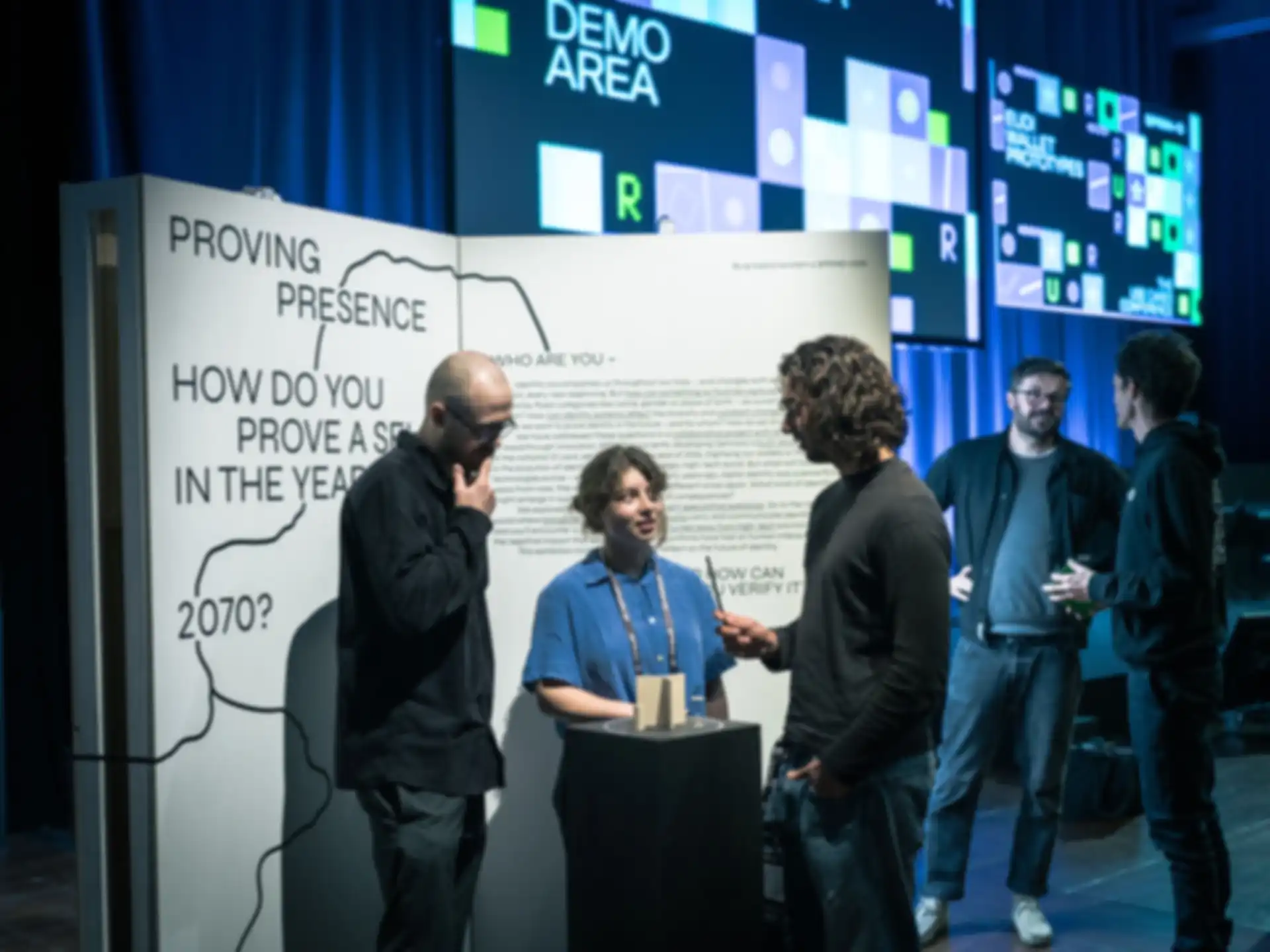
CZ: We wanted to show that the Wallet is not only about technology but about reflecting on the future of identity — emotionally, culturally, and socially.

AP: The feedback was overwhelmingly positive. Many found it inspiring to see how students approached such a complex topic with artistic methods. It demonstrated how important it is to bring together different perspectives.
More about this topic

Podcasts

#97 Torsten Lodderstedt (10.3.2025)

36:22

Was ist EUDI Wallet? Wie macht diese Brieftasche die digitale Identifizierung deutlich einfacher und sicherer? Und kann die deutsche Verwaltung mit ihr einen echten Sprung nach vorn machen? Unser Host Thomas Ramge spricht mit: Dr. Torsten Lodderstedt, Lead Architect des deutschen EUDI Wallet-Projekts bei SPRIND.

Send Email
LinkedIn
Instagram
Youtube
X (Twitter)
Bluesky
Mastodon
Newsletter
When signing up for the SPRIND newsletter, our general privacy statement applies.
SprinD GmbH, Lagerhofstr. 4, 04103 Leipzig, info@sprind.org