12/15/2025
UNLOCKING THE TRUE POTENTIAL OF GEOTHERMAL ENERGY
Telura enters agreement with SPRIND to validate electro-impulse drilling set to scale geothermal energy globally
Energy fuels the wheels of modern society. AI data centers, power grids, and the digital economy all depend on energy that never sleeps. Geothermal energy could offer limitless baseload energy by tapping into the Earth’s immense heat. But steep project costs, complex regulations, and limited access have been standing in the way of releasing its potential.
Closed-loop geothermal systems (CLGS) offer a promising solution. Rather than relying on naturally occurring reservoirs, CLGS circulates a working fluid through a sealed network of pipes that absorb heat from surrounding rocks and bring it to the surface. Because the fluid remains contained within the loop, the system minimises environmental risks, simplifies permitting, and makes geothermal energy viable anywhere.
However, turning CLGS into a commercial reality requires a radical improvement in how these wells are drilled. Conventional drills quickly wear out when faced with the hard granites and superhot temperatures several kilometers underground. This makes drilling slow, costly, and often economically unfeasible.
Telura’s technology could flip the script. Instead of grinding, Telura applies high-voltage electrical pulses to fracture the rock from within. This fundamentally changes the physics of drilling, enabling faster, more energy-efficient, and cost-effective access to deep superhot rock resources.
Telura’s system is built on over two decades of research and has already demonstrated success in lab tests. In partnership with SPRIND, Telura is now validating the technology under conditions that closely resemble real-world deployment.
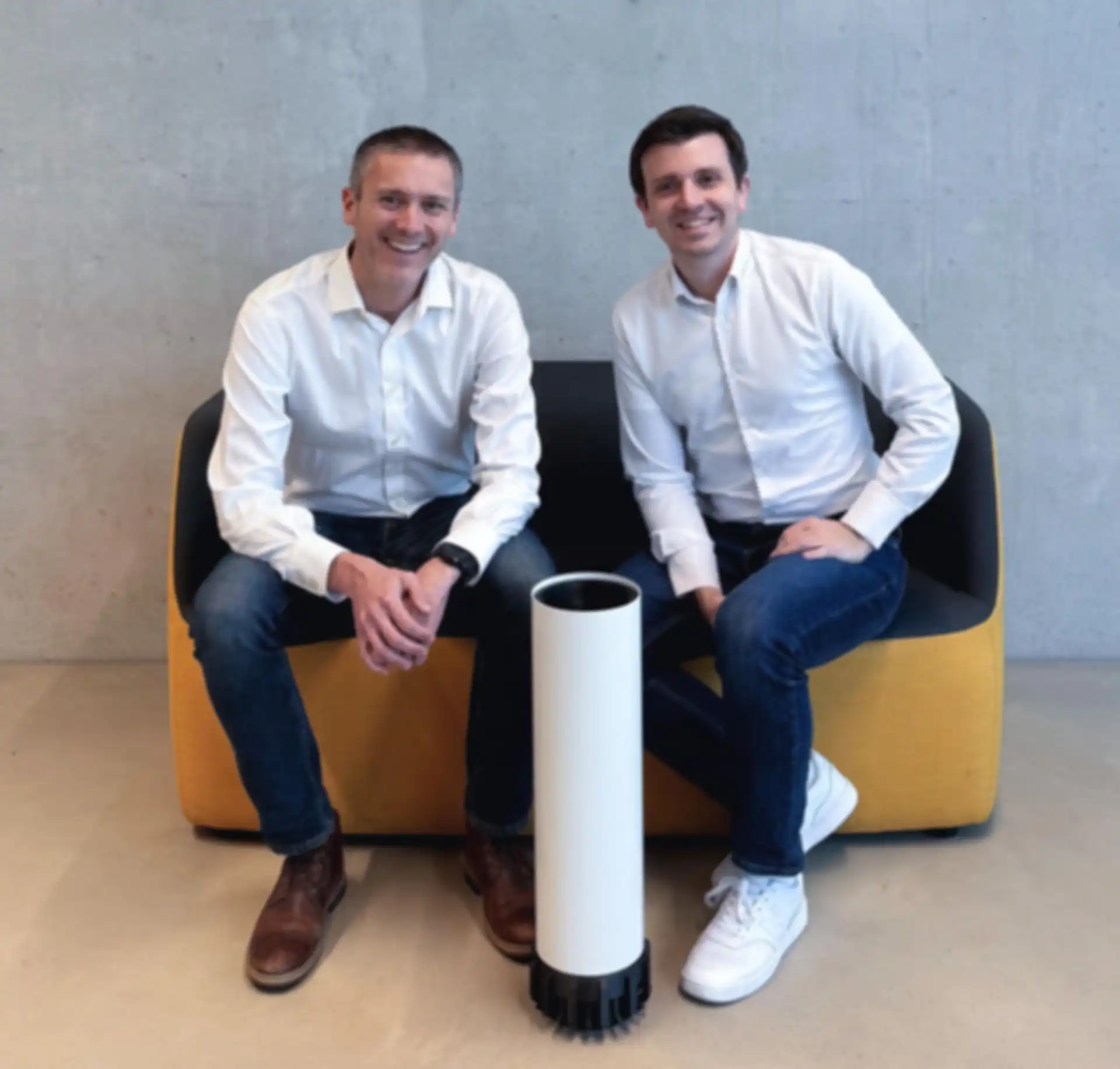
This is not the founders’ first bold leap. Philipp Engelkamp steered INERATEC, a pioneer in sustainable e-fuels, while Andrew Welling brings 18 years of engineering leadership from Rolls-Royce and electric aircraft trailblazer Lilium. Their combined experience uniquely positions them well to crack this engineering challenge and unlock geothermal at scale.
More about Telura: telura.com